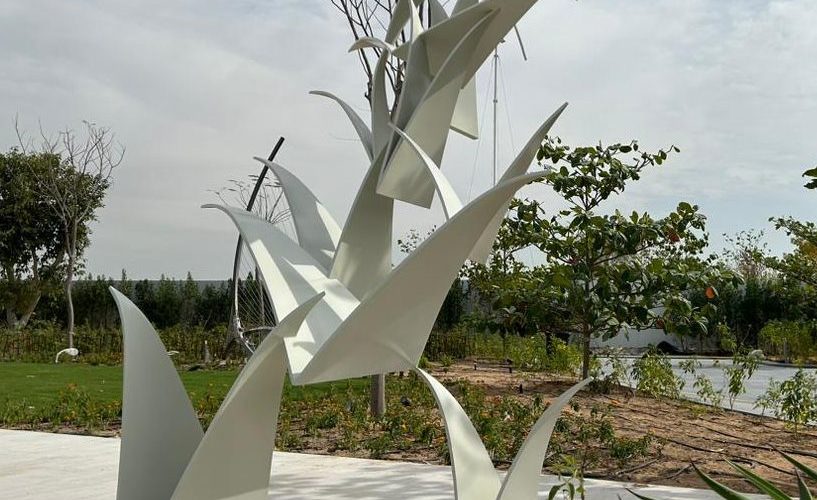
The smell of hot coals and the steady rhythm of a heavy hammer hitting red iron have filled workshops for thousands of years. Long ago, people made tools and weapons out of necessity, but those old skills are now the soul of creative design.
Today, artists use the same fire and sweat to shape hard steel into soft curves. This deep connection to history keeps every piece unique as makers create beautiful handmade metal art.
The heat of the forge:
Working with fire is the most basic part of this craft. Modern artists still heat metal until it glows bright orange so they can change its shape. Using a forge allows them to move the material in ways machines cannot. This process requires a lot of patience and a good eye for color. By controlling the heat, they ensure the metal stays strong while they push it into new and exciting forms.
The power of the hammer:
Every mark on the surface tells a story about how the piece was made. Traditional smiths used different hammers to flatten or stretch the iron. Today, these same movements create textures that you can feel with your hands. These tiny dents and ridges show the physical work that went into the project. Unlike items made in a factory, these marks prove that a real person spent time perfecting the shape.
Joining pieces with fire:
Old methods of connecting metal are still very popular among artists. Instead of using quick glue or modern bolts, many prefer to use rivets or forge welding. This involves heating two pieces until they are almost melting and then hammering them into one single unit. This makes the final work look seamless and natural. It also ensures that the item will last for many lifetimes without falling apart.
The beauty of raw finishes:
Modern art often celebrates the natural look of the material rather than hiding it under thick paint. Blacksmiths traditionally used oils or waxes to protect their work from rust. Current artists follow this path by using clear coatings that let the dark scales and gray tones of the steel shine through. This honest approach highlights the raw beauty of the metal. It reminds us of the earth where the ore first came from.